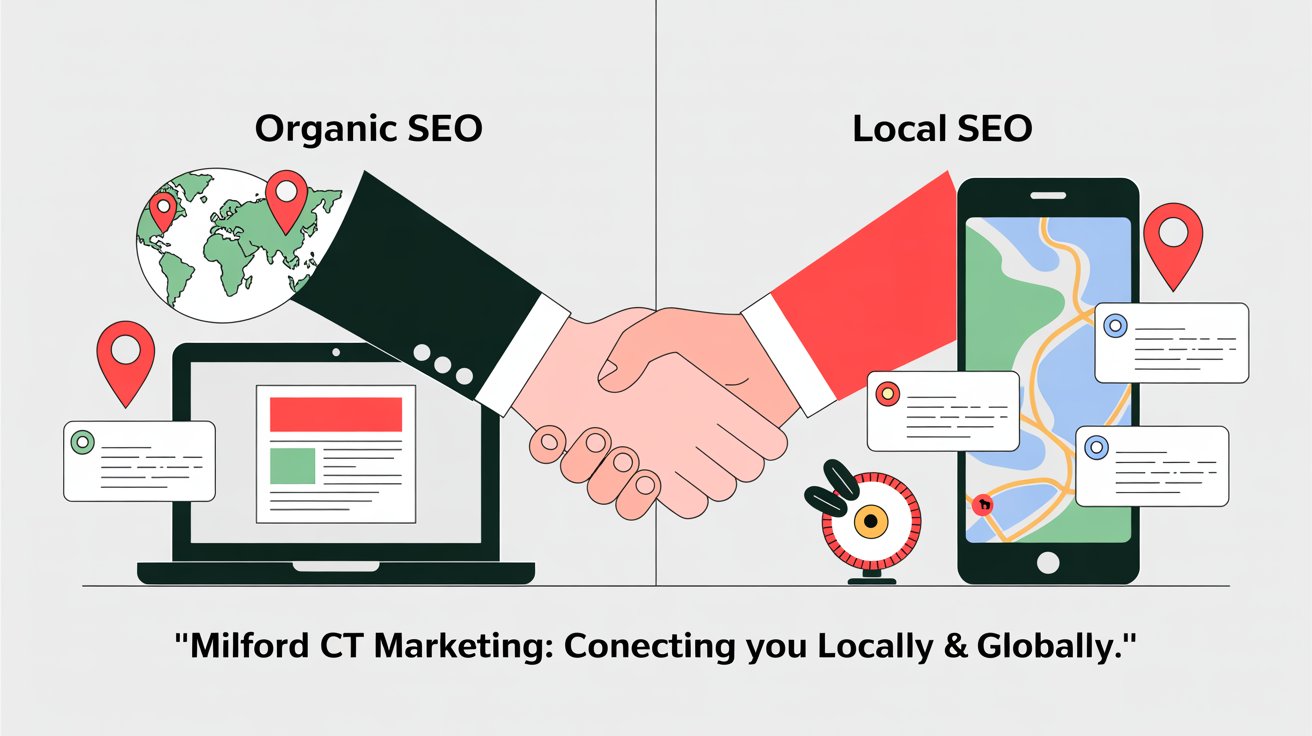
Hello, and welcome to my post about understanding the difference between local SEO vs organic SEO.
Knowing the difference is critical for any service-based business that wants to be found online.
Want to know everything, here is the full guide
While they share some overlap, the strategies, goals, and outcomes are different—and if you focus on the wrong one, you could miss out on your best customers.
Let’s break it down in plain language.
First What Is Organic SEO?
Organic SEO is the practice of optimizing your website to rank higher in traditional search results—meaning the blue link results on Google that are not paid ads or map listings.
Key Features:
Focuses on content, backlinks, site speed, and keywords
Rankings appear globally or nationally depending on search intent
Useful for eCommerce sites, national brands, or blogs
Example: If someone searches "best air purifiers for allergies," that’s a general query not tied to a location. Organic SEO helps you rank for that.
It also includes technical aspects like proper HTML tagging, internal linking structure, mobile optimization, and schema markup to help Google better understand and index your content. Great organic SEO can result in consistent traffic over time and attract audiences who are still in the research phase of the buying journey.

What Is Local SEO?
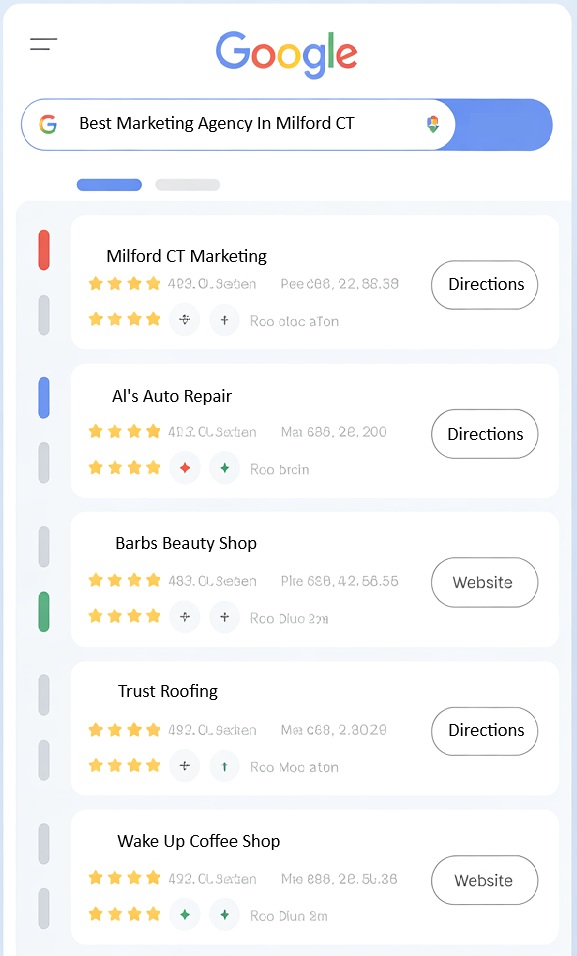
Local SEO is all about helping your business rank in location-specific searches. It’s how you get found in Google Maps and the "Local Pack" (the top 3 business listings that appear alongside a map).
Key Features:
Targets searches with local intent (e.g., "plumber near me" or "roof repair in West Haven CT")
Uses your Google Business Profile (GBP), local citations, reviews, and location-based content
Helps businesses that serve a specific geographic area get visibility in that area
Example: If someone searches "emergency electrician Milford CT," Local SEO is how your business shows up in Maps and near the top.
Google considers proximity, relevance, and prominence when deciding which local businesses appear in the results. That’s why consistent NAP (Name, Address, Phone Number), positive reviews, and an optimized GBP are critical for local visibility.
Why Does This Difference Matter for Local Businesses?
If you're a local service business, focusing only on organic SEO means you're missing out on the high-converting traffic coming from local searches.
Local SEO Drives Phone Calls
When someone searches on their phone for "HVAC repair near me," they want help now. These are hot leads with buyer intent.
Organic SEO Builds Long-Term Authority
Even if you're focused locally, ranking blog posts and service pages in traditional search builds trust, improves brand recognition, and attracts leads early in the customer journey.
But here's the catch: Local SEO and Organic SEO work best together.
Your blog posts and location pages (organic) support your Maps visibility (local). And good user behavior from local traffic helps your pages rank higher in both.
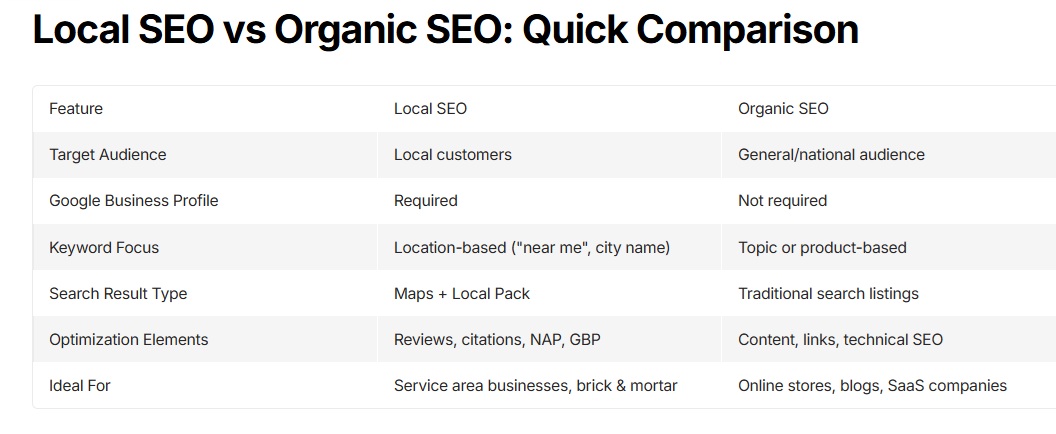
How to Know Which One You Need
If your business has a physical location or serves customers in a specific area (like plumbers, roofers, landscapers, HVAC, electricians, etc.), then Local SEO is essential.
But if you also want to:
- Educate your audience
- Drive long-term traffic
- Answer questions before people call
Then organic SEO supports your Local SEO by building trust and driving extra traffic.
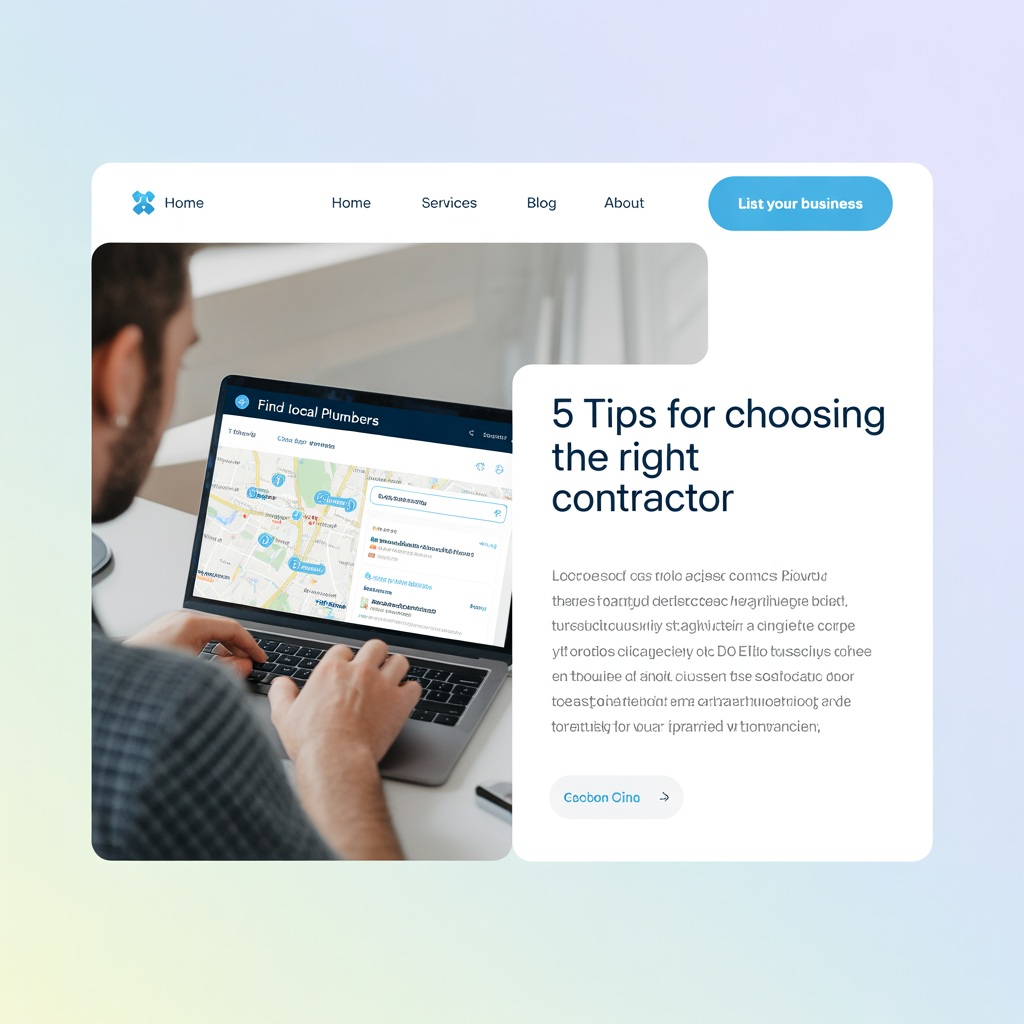
An example of this synergy is writing a blog post on “Common Roofing Problems in Milford CT.” That content (organic SEO) links to your roofing service page (local SEO) and helps build authority while driving local relevance.
Examples of Local SEO In Action
Roofing Company
A roofing company in Bridgeport gets listed in the Local Pack when someone types in "roof repair Bridgeport CT."
Dog Groomer
A dog groomer in Stratford ranks in Google Maps and gets phone calls daily because of 5-star reviews and optimized Google Business Profile.
Plumbing Company
A plumbing company in Milford writes blog posts about "how to stop a leaky faucet" that rank in organic results, supporting their service page and getting clicks.
These businesses use both strategies—local and organic—to dominate visibility and increase conversions.
Why You Need Both
Google’s algorithm blends local and organic factors to determine rankings. If your site has:
- Weak content
- No backlinks
- Slow speed
- Poor local reviews
...you won’t rank well in either local or organic results.
That’s why a blended strategy is best.
Think of organic SEO as the foundation and local SEO as the community-specific signals. When used together, they amplify your presence on both Maps and traditional listings.
Local SEO and Organic SEO Work Together
Here’s how they support each other:
Content (Organic)
Attracts traffic and builds trust
Google Business Profile (Local)
Captures intent-driven leads
Citations (Local) + Backlinks (Organic)
Build credibility
Mobile Optimization (Organic)
Improves experience for local searchers
Schema Markup
Helps both local and organic rankings by making your pages machine-readable
Without both, your marketing is incomplete.
Want to Rank Higher in Both?
Local SEO and organic SEO are both powerful—but when combined, they make your business unstoppable online.
If you’re not sure where to begin, grab my High-Impact Google Business Profile Blueprint. It’s a step-by-step guide to dominating local search.