Welcome to my post, where I will discuss Entity SEO and why it matters to local businesses.
Entity SEO and Why It Matters for Google Maps Rankings
Most local business owners think SEO is all about keywords and backlinks. But if you want to dominate in Google Maps, you need to understand entity SEO—and why Google is moving from traditional signals to context and relationships.
What Is Entity SEO?
Entity SEO is about how Google understands your business as a real-world object—what it is, what it does, where it is, and how it relates to other topics, services, and local areas.
In the past, Google relied heavily on keyword matching to deliver search results. But with advances in machine learning and natural language processing, the algorithm now focuses on understanding context. It connects facts from across the web to identify “entities” like a person, a brand, a business, or even a service category.
In local SEO, this means your business is treated as an entity that needs to be well-defined across platforms. Google uses this entity profile to decide if you’re the best result for a local query.
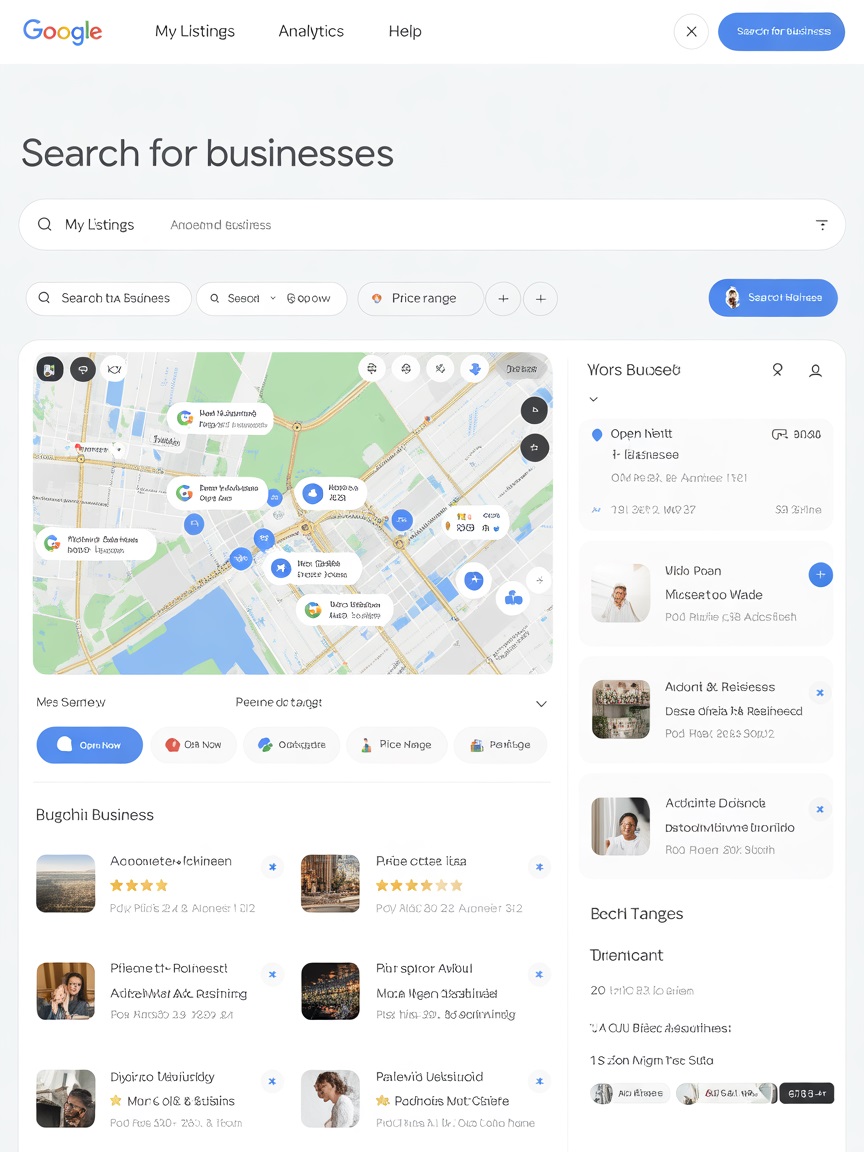
Instead of relying only on keywords, Google now connects the dots using structured data, business categories, reviews, services, content, and more to determine:
-
What your business is about
-
Who it serves
-
Where it operates
-
How authoritative and trustworthy it is
Why It’s Crucial for Google Maps Rankings
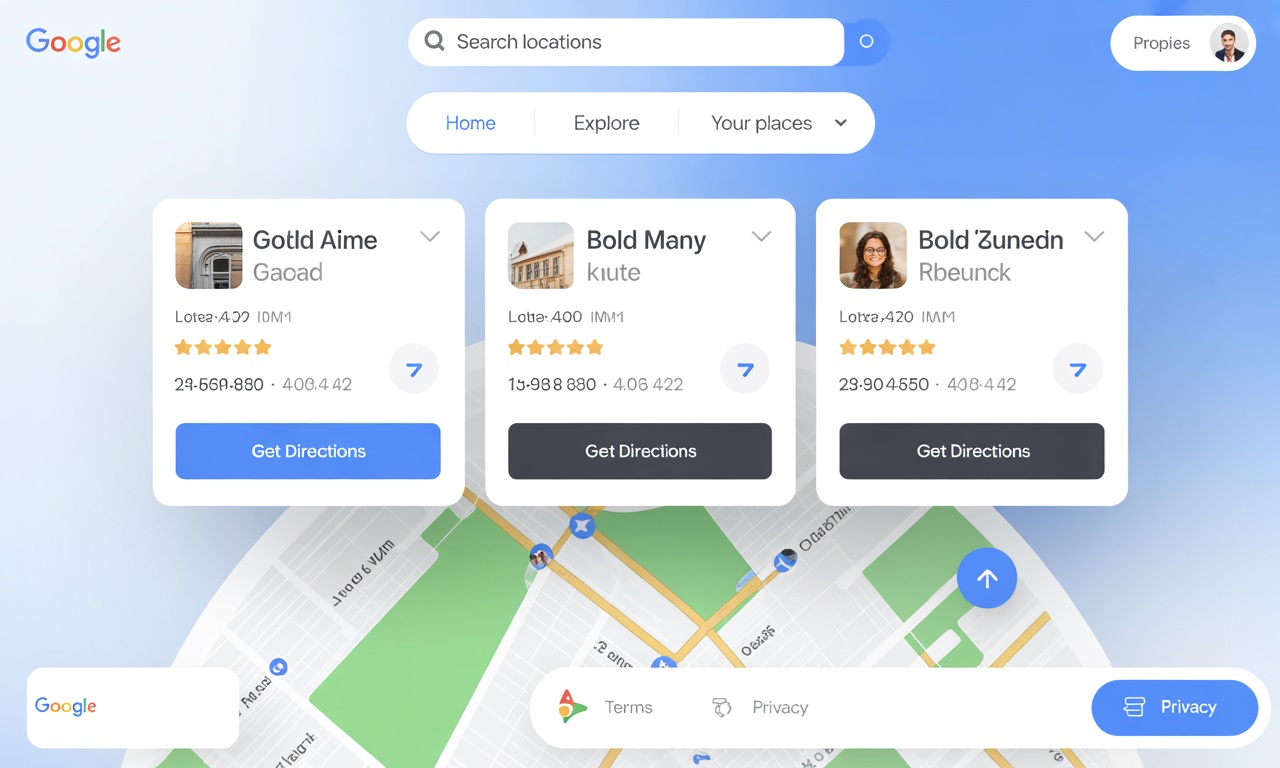
In competitive markets, entity optimization often makes the difference between ranking in the map pack or being buried behind less relevant results.
Google Maps results are heavily influenced by entity signals. If Google doesn’t clearly understand your business, it won’t confidently show it in search results.
Entity SEO impacts:
- Your ability to show up in the local 3-Pack
- How often your profile appears for long-tail and voice searches
- Your rankings even in neighboring towns or cities
- Whether your profile is triggered for semantic searches like “best plumber near me open late”
✅ The clearer your entity is to Google, the more often you’ll appear in high-intent searches.
In competitive markets, entity optimization often makes the difference between ranking in the map pack or being buried behind less relevant results.
5 Core Entity Signals That Affect Local Rankings
1. Consistent NAP Across the Web
Google builds your entity from data sources like your website, directories, and review platforms. If your Name, Address, and Phone Number (NAP) are inconsistent, it confuses the algorithm and erodes trust.
- Make sure your NAP is identical across all citations
- Watch out for formatting inconsistencies (Street vs. St.)
- Use tools like BrightLocal or Whitespark to fix outdated listings
2. Proper Category and Service Setup
Your primary and secondary categories tell Google what your business does. Pairing these with keyword-optimized service descriptions helps reinforce your core identity.
- Choose the most specific primary category available
- Add detailed descriptions to each service listed in your GBP
3. Reviews and Q&A Content
Google “reads” your reviews and Q&A sections. This content tells the algorithm what people say about your business and the language they use to describe you.
- Encourage customers to mention services and city names in reviews
- Seed the Q&A section with valuable, keyword-rich questions and answers
- Respond to reviews to add more semantically rich content
4. Local Business Schema on Your Website>
Schema markup is code that helps Google better understand your business. It clarifies your name, location, service area, hours, and more.
- Use LocalBusiness schema and embed it sitewide
- Add additional Service schema to pages describing specific offerings
- Include map embeds and your GBP URL in the structured data
5. Content and Internal Linking
Entity SEO isn’t just technical—it’s also about what you say and how often you say it. Your content helps reinforce what Google believes about your business.
- Create service area pages with hyper-local details
- Write blog posts answering questions your audience actually asks
- Internally link between services, blog posts, and location pages
✅ Pro Tip: Your website and GBP should speak the same language—literally. Mirrored keywords, services, and categories strengthen your entity.
How to Strengthen Your Entity Signals
Here’s a checklist of practical actions you can take to build a strong local entity:
Run a citation audit
Eliminate NAP inconsistencies across platforms like Yelp, Bing, Apple Maps, and Facebook.
Implement schema markup
Using JSON-LD. Include LocalBusiness schema on your homepage and Service schema on individual service pages.
Align GBP categories with your website structure
Reinforce topical relevance.
Encourage reviews
Include specific services, city names, and user intent (e.g., “I needed emergency water heater repair in Milford and they delivered!”).
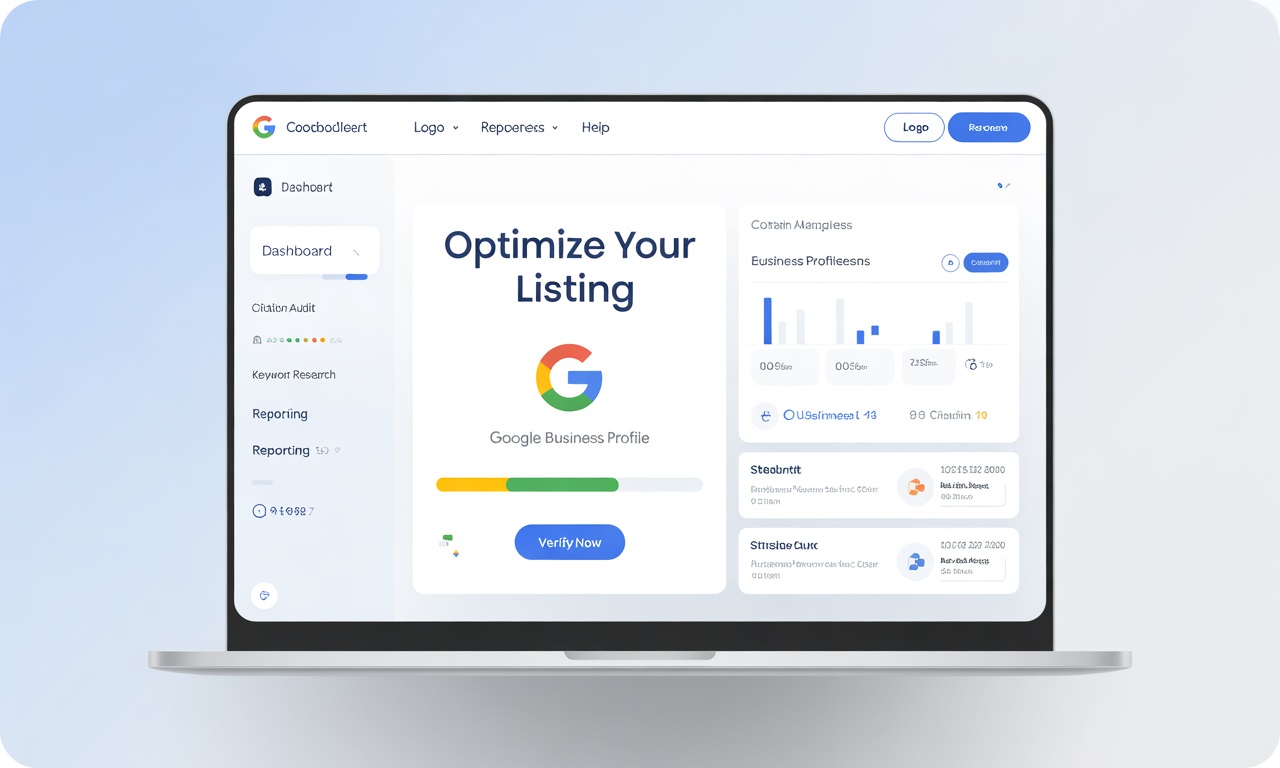
Use blog content strategically
Answer location-based and service-specific questions. This can help your entity expand into neighboring search zones.
These small tweaks compound over time. As your entity becomes stronger, you’ll appear for more types of searches—even those that don’t include your business name.
Entity SEO Is the Future of Local Search
Google is moving away from pure keyword matching and toward meaning and context. That means:
- Fewer quick wins from keyword stuffing
- More importance placed on relevance, trust, and topical alignment
- A greater reward for businesses who invest in their digital presence consistently
🎯 Use my High Impact GBP Blueprintto implement an entity-first local SEO strategy and stand out in Google Maps.