You're not competing with Amazon for backlinks, you're competing with the plumber down the road or the HVAC company in the next town over. In that fight, local backlinks are a real edge most small businesses never bother to build. For a broader look at what makes a backlink "local" and why, see our full guide to local backlinks. This one's a straight list, 10 specific, low-cost ways to actually earn them.
Why This Still Matters
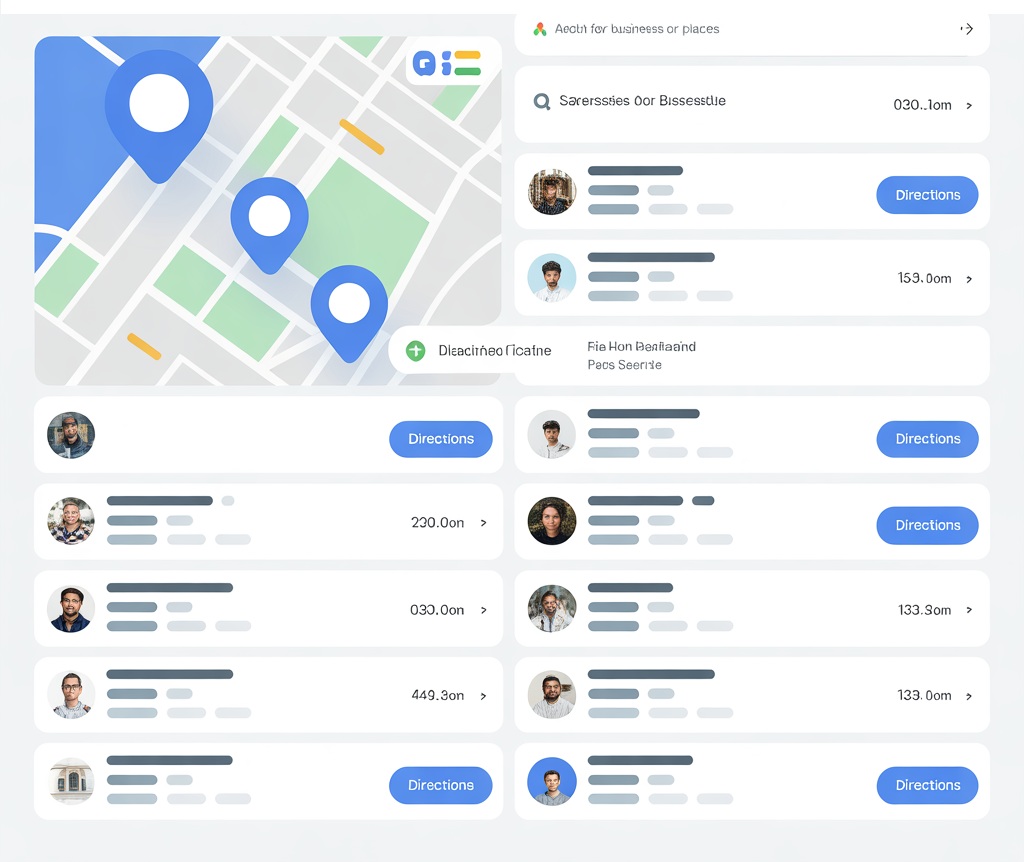
Backlinks still signal trust, help validate your location and your trade, and improve both your Map Pack and organic rankings. A link from your town's Chamber of Commerce or a local paper can matter more than a generic blog link from somewhere across the country.
Google's own John Mueller has said it plainly: if nobody links to your site, Google has a hard time even recognizing it exists.
10 Places To Get Backlinks Free Or Nearly Free
1. Local business directories. Google Business Profile, Yelp, Bing Places, Apple Maps, the BBB, your Chamber of Commerce, and industry-specific ones like Angi or HomeAdvisor. These are the foundation, they tell Google where you are and build NAP consistency. A tool like BrightLocal or Whitespark can help you audit and build these efficiently.
2. Sponsor a local event or nonprofit. A Little League team, a food drive, a town 5K. Sponsor pages are hyper-local and carry real trust. Just ask: "We'd love to support [event]. Do you have a sponsor page where you acknowledge community partners?"
3. Get featured by local news or blogs. Pitch a real story, a new service, a milestone, community involvement, an interesting customer story, to local papers, regional blogs, or local content creators. Editorial links like these carry serious weight.
4. Partner with other local businesses who serve the same customers without competing with you. A roofer linking to a gutter installer, a wedding venue linking to a caterer. Ask for a resource-page mention or a blog shout-out, both sides gain.
5. Publish a real local resource page. Something genuinely useful, "Best Pet-Friendly Parks in [Your County]" or "A Contractor's Guide to Building Permits in [Your City]." When you tag and notify the businesses you mention, some of them link back.
6. Get listed on local awards or "best of" pages. Search "best [your service] in [your city]" and see what comes up, publications, roundups, awards. Apply if there's a process. A "best of" win is both a link and real social proof.
7. Create a small scholarship or contest. Even a modest one, a $500 small-business scholarship for a local student, promoted to local high schools and press, can earn a real .edu link plus local mentions. Keep it relevant to your brand, not spammy.
8. Use HARO (Help A Reporter Out). At helpareporter.com, journalists post queries looking for sources. Respond to anything relevant to your trade or small business in general, fast and brief pitches do best. If picked up, you get a real backlink and real exposure.
9. Offer a testimonial to a local vendor you actually use. A print shop, a bookkeeper, a supplier. Many businesses post testimonials with a link back to the source, that's you.
10. Optimize your Google Business Profile's website link field. Not a backlink in the traditional sense, but it's often ignored. Point it to a real location or service page, not just your homepage, and keep it consistent with your citation info. It builds Google's confidence in your business location.

A Few Final Rules
- Start local first, don't chase big generic sites with no real connection to your business
- Stay consistent and honest, don't pay for links
- Set a small, real goal, even 2 quality links a month adds up
- Track what you're building, Ahrefs, Semrush, or Google Search Console all work
Link building is a long game, but in local SEO, a handful of real, relevant links goes further than people expect.
Want help turning this into an actual plan? Book a free discovery call.