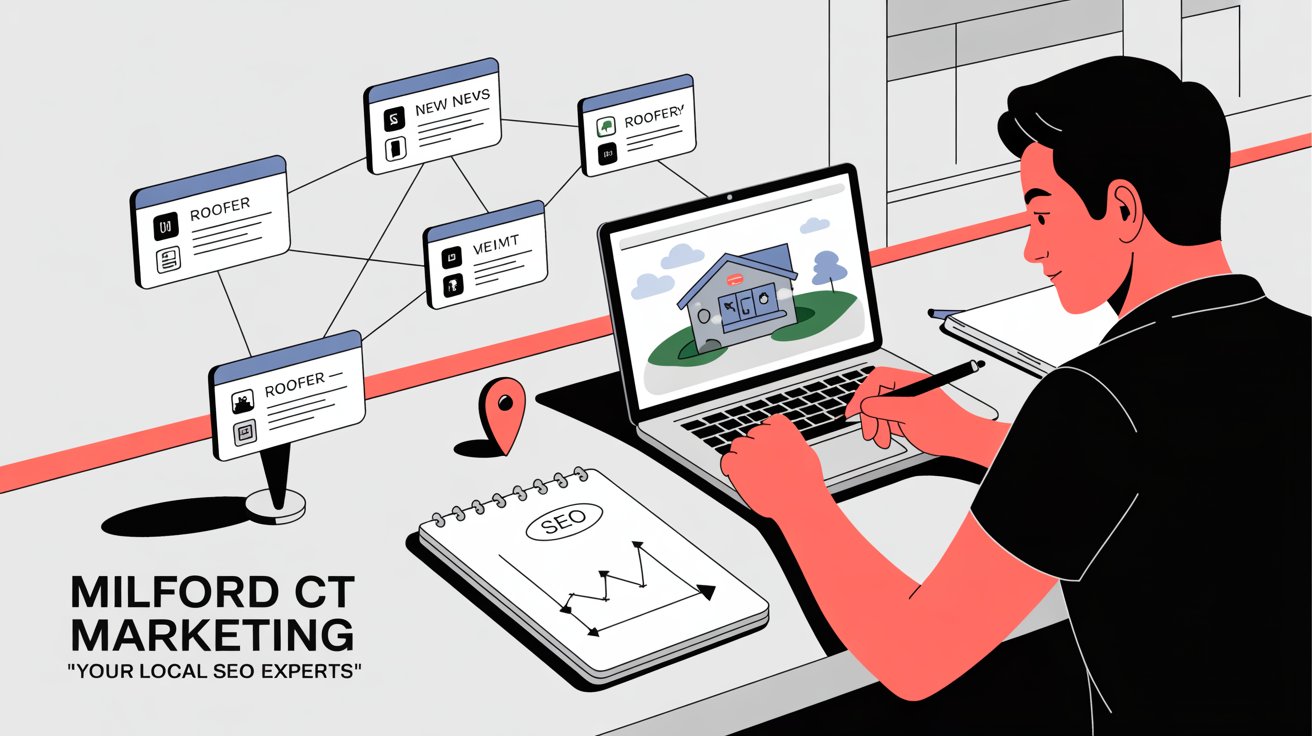
Backlinks are still one of the most powerful ranking factors there is, but not all of them are equal. For a local business, a local backlink can be the difference between page 3 and the top of the map pack. Here's what actually works, without an agency and without buying links.
What Is A Local Backlink
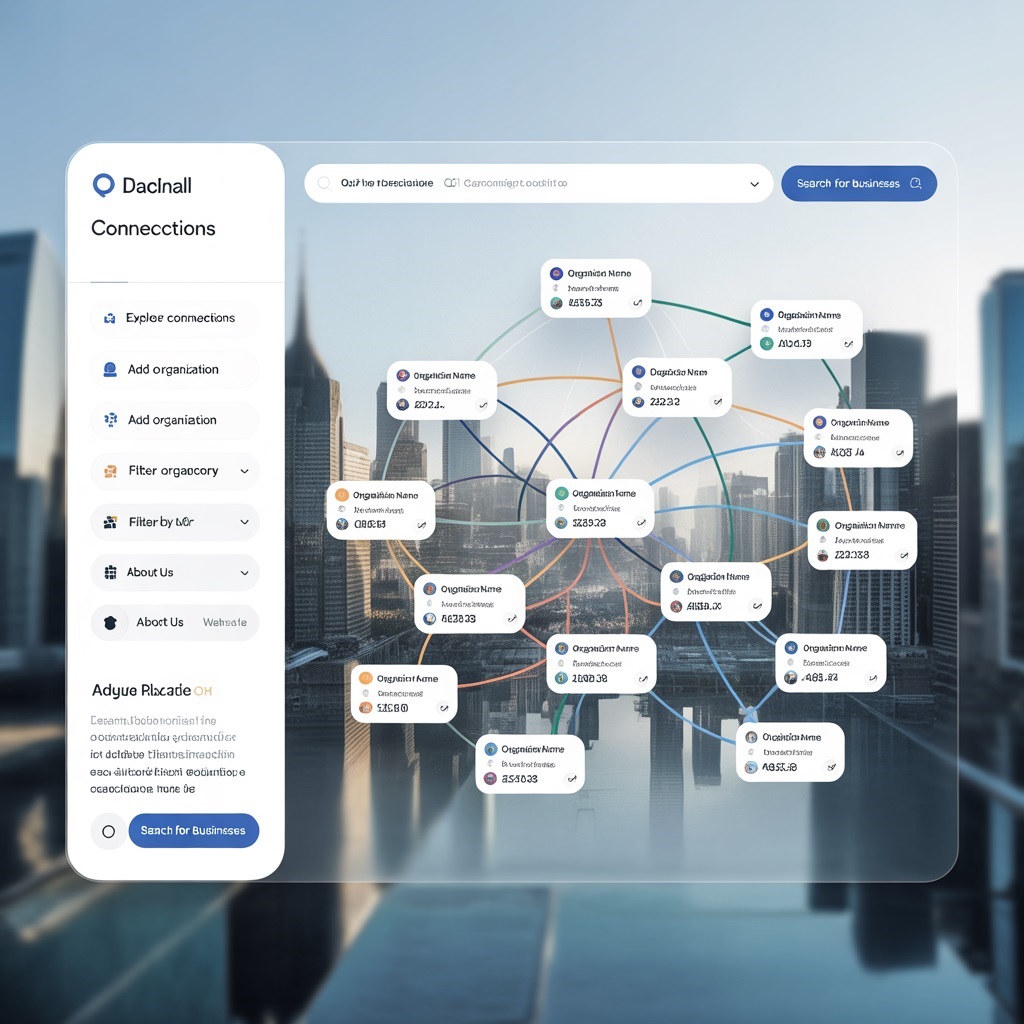
A local backlink is any link from a site with real local relevance to your business, either by geography or by audience. A chamber of commerce directory, a local news feature, a sponsorship listing on a nonprofit's site, a local blogger mentioning your work, a referral partner's website. What makes them powerful is the combination of relevance and location, it tells Google this business is actually connected to and valued by its community.
Why These Matter More Than Generic Links
Google's local algorithm weighs proximity, relevance, and prominence. Local backlinks hit all three: proximity from sites tied to your area, relevance from local industry-specific content, and prominence from the trust signal a local link carries. You don't need hundreds of high-authority links, a handful of real, hyper-local ones does more for a local business than a pile of generic ones.
Where To Actually Get Them
Local business directories: your chamber of commerce, the local Better Business Bureau, business associations, community boards. Easy to get and genuinely relevant.
Local sponsorships: youth sports teams, local festivals, charity events, school programs. Most sponsor pages link back to you, and a gift card or donation in exchange for a mention works too.
Local media: local newspapers, radio station sites, community newsletters. If you're running a promo, hosting an event, or have a real story, pitch it, local journalists genuinely look for business stories to cover.
Vendor and referral partners: build a "Partners We Trust" page and ask the businesses you work with to do the same. Reciprocal links work fine here since they're organic and relevant.
Local bloggers: food, real estate, lifestyle, event writers in your area. Offer something real, free work, an interview, a collaboration. Even a blogger with a small audience helps if their site has real geographic relevance.
Local government or school sites: if you support an educational or municipal initiative, it's fair to ask for a link back.
How To Find These Opportunities
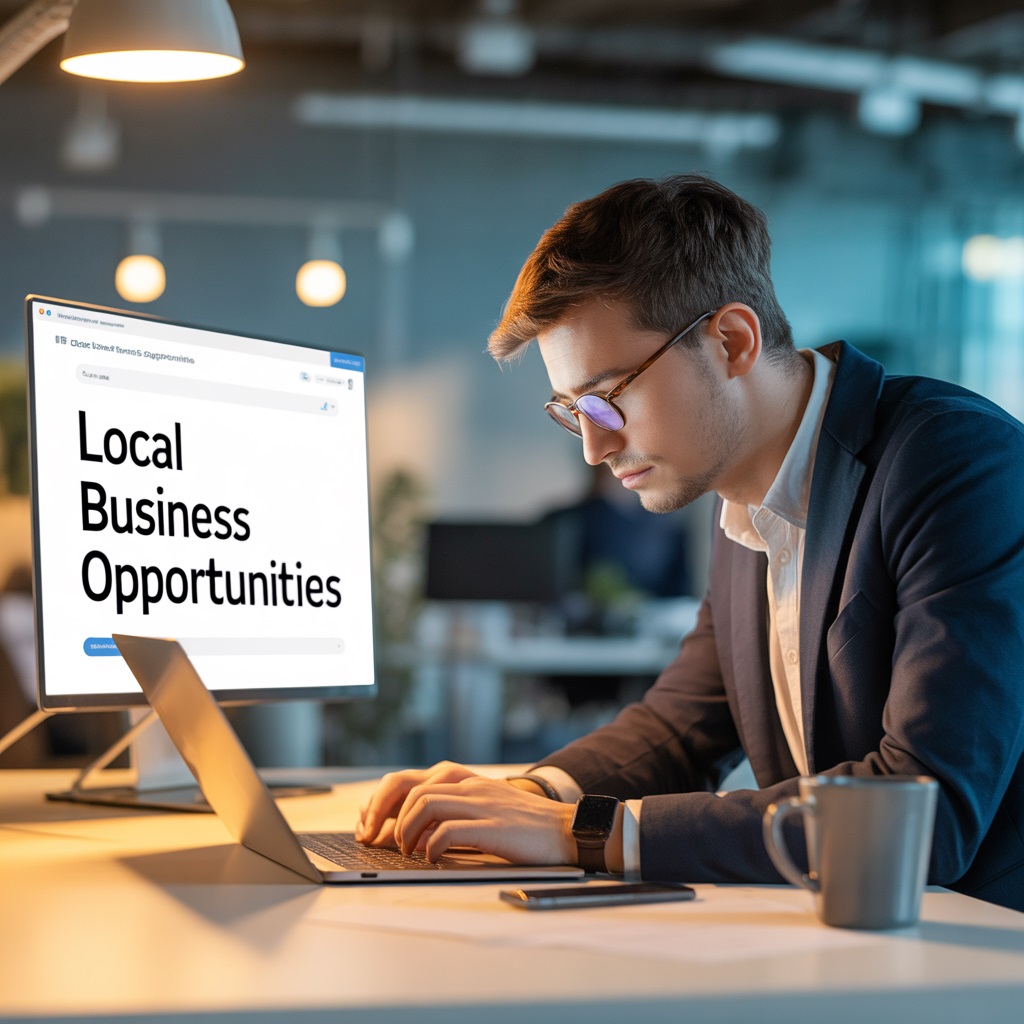
- Search "sponsor + [your city]" or "[your industry] directory + [your city]"
- Check what's already linking to your local competitors (Ahrefs, SEMrush, or Ubersuggest all show this)
- Set a Google Alert for your city plus your industry
- Look up local events and see who sponsors or gets mentioned
- Check local Facebook groups and community threads, opportunities show up there too
Reaching Out The Right Way
Be personal, mention the organization's actual mission or a past event. Offer real value, a guest post, a service, a donation. Keep it short, everyone's busy, a value-first email wins. Follow up once, people miss emails. Include your logo or a testimonial so you stand out. And track who you've contacted so nothing falls through the cracks.
What This Looks Like In Practice

Say you're a tile contractor in Milford, CT. You sponsor the Milford Little League and get a backlink from their site. You donate to a school fundraiser and the PTO links back. A lifestyle blogger features your kitchen backsplash work, a niche link with real geographic relevance. You join the Milford Chamber and get listed in their directory. Over time, these compound into real credibility, not just for Google, for actual people checking you out.
Another real pattern: an HVAC company runs a free AC tune-up event for seniors. A local news site picks it up, community Facebook pages share it, a nonprofit links to it. One event, several real, hyper-local backlinks.
What To Avoid
- Buying backlinks: risky, especially for local SEO
- Low-quality spam directories: only pursue ones that offer real value
- Link exchanges at scale: fine occasionally with a real partner, not as a strategy
- Inconsistent NAP: your name, address, and phone number need to match across every listing
Watch your anchor text too, a good local backlink ideally includes your business name, your city or neighborhood, and a service keyword when it fits naturally.
The Point
Local backlinks aren't just an SEO tactic, they're real relationships in your community. Start with the easy wins, stay consistent, and think of each one as a vote of confidence from your own neighborhood. More visibility, more trust, more leads from Google, in that order.
For 10 more specific, low-cost tactics, HARO, scholarships, local resource pages, and more, see our 10 free ways to earn local backlinks.
Want help building this out for your own business? Book a free discovery call.