
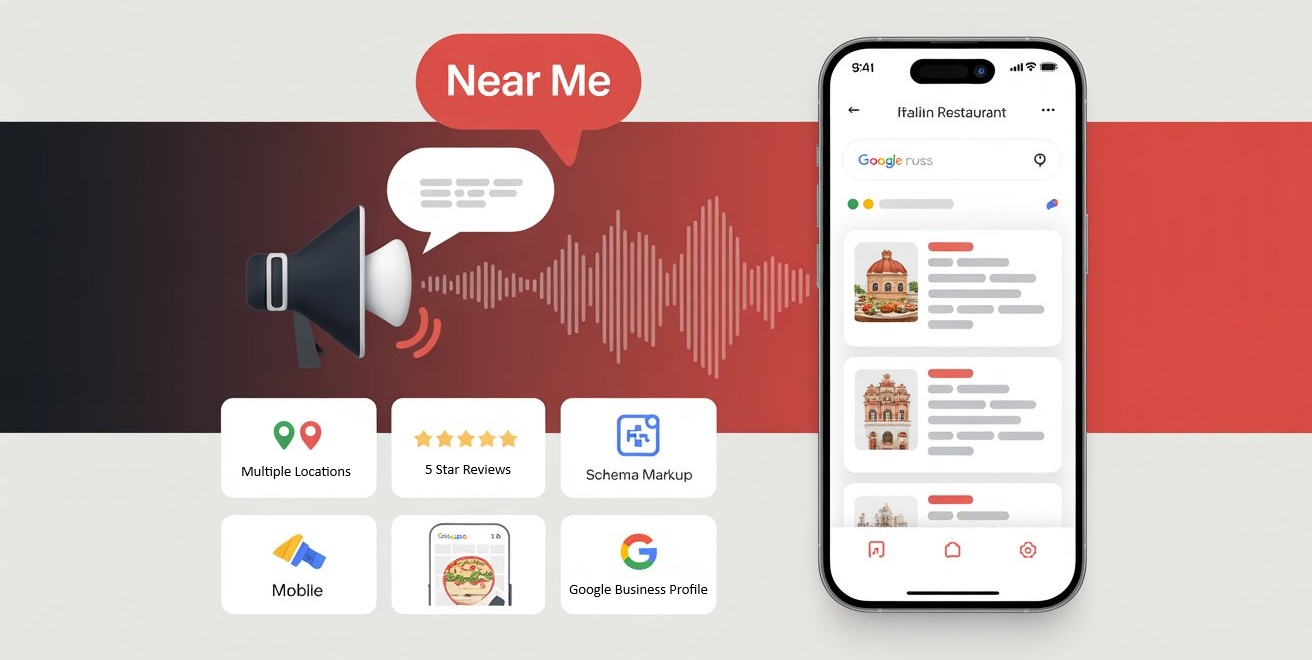
"Hey Siri, find a plumber near me." If you've ever asked your phone something like that, you've used voice search, and you're far from alone. More than 58% of consumers have used voice search to find a local business, and over 76% of smart speaker owners run a local search weekly. This isn't a future trend, it's already how a lot of your customers are searching right now.
Why This Actually Matters
Voice searches are conversational, "who installs heating systems near me" instead of "Milford CT HVAC," and they're usually action-driven, someone needs help now, not eventually. They happen mostly on phones and smart speakers, and they favor clear, direct answers, fast mobile pages, a strong Google Business Profile, and real structured data.
How To Actually Optimize For It
1. Get Your Google Business Profile Right
Accurate name, address, and phone number. Regular updates, photos, posts, real FAQs. Complete service details and hours. Reviews that mention real keywords naturally. In your FAQ section, answer in the same conversational language people actually use, "Do you offer emergency plumbing?" deserves that exact phrasing in the answer.
2. Target Conversational, Long-Tail Phrases

Voice searches run longer and more natural than typed ones: "who does roof repair near me," "what roofing companies are open now in Milford," "best local roofer for storm damage." Tools like AnswerThePublic or AlsoAsked surface real phrasing like this. Work these into your headers, FAQs, body content, and alt text, especially high-intent starts like "how to fix," "who offers," and "where can I get."
3. Use Real Structured Data
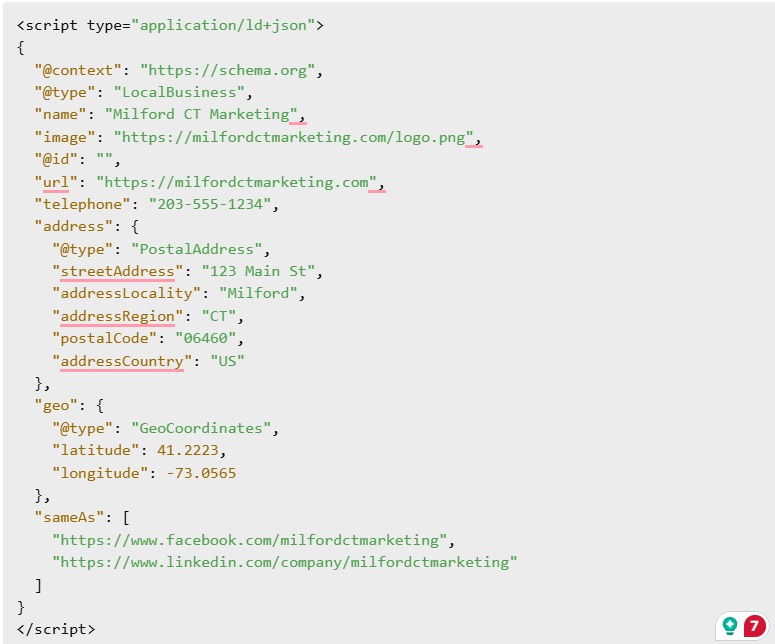
LocalBusiness schema defines what kind of business you are. FAQ schema details your actual services, and Google often pulls directly from it for voice answers, meaning your own site can literally become the spoken response from Google Assistant. Use Google's Rich Results Test to check your markup actually works.
4. Fix Your Speed And Mobile Experience
Most voice searches happen on mobile. That means loading under 3 seconds, easy navigation, large buttons, readable text, and real click-to-call buttons. Run your site through Google PageSpeed Insights and fix what it flags, then compress your images and make sure the design is genuinely responsive.
5. Build Real Local Citations
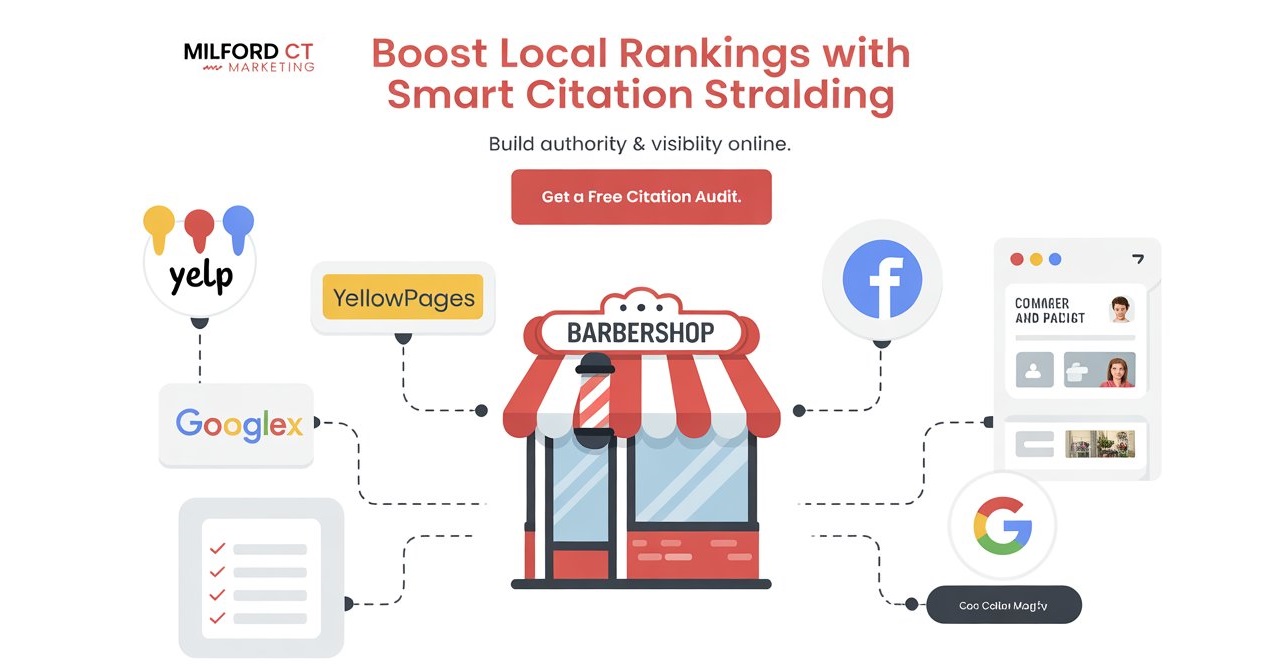
Voice search pulls from multiple data sources, so consistency matters even more here. Get listed on Yelp, Bing Places, Apple Maps, and keep your name, address, and phone number identical everywhere, and keep it updated.
6. Write Content That Answers Real Spoken Questions
"What is the best tile for a bathroom?" "How much does drain cleaning cost in Milford, CT?" "Can I schedule a same-day HVAC repair?" A Q&A format works well here, include real location references, the actual service terms people use, and clean formatting with bullet points and subheadings. A blog post titled "What's the Best Time of Year to Replace a Roof in CT?" with a header like "Best Time for Roof Replacement in Milford" is exactly the kind of content that mirrors how people actually ask.
7. Ask For More Reviews
Voice search results tend to favor businesses with a real volume of positive reviews. Encourage reviews that mention your service, your city, and specific situations ("emergency leak repair"). Respond to every one, it's a real trust signal. A quick follow-up text or email with a direct link to your review form helps this happen consistently.
Tracking What’s Working
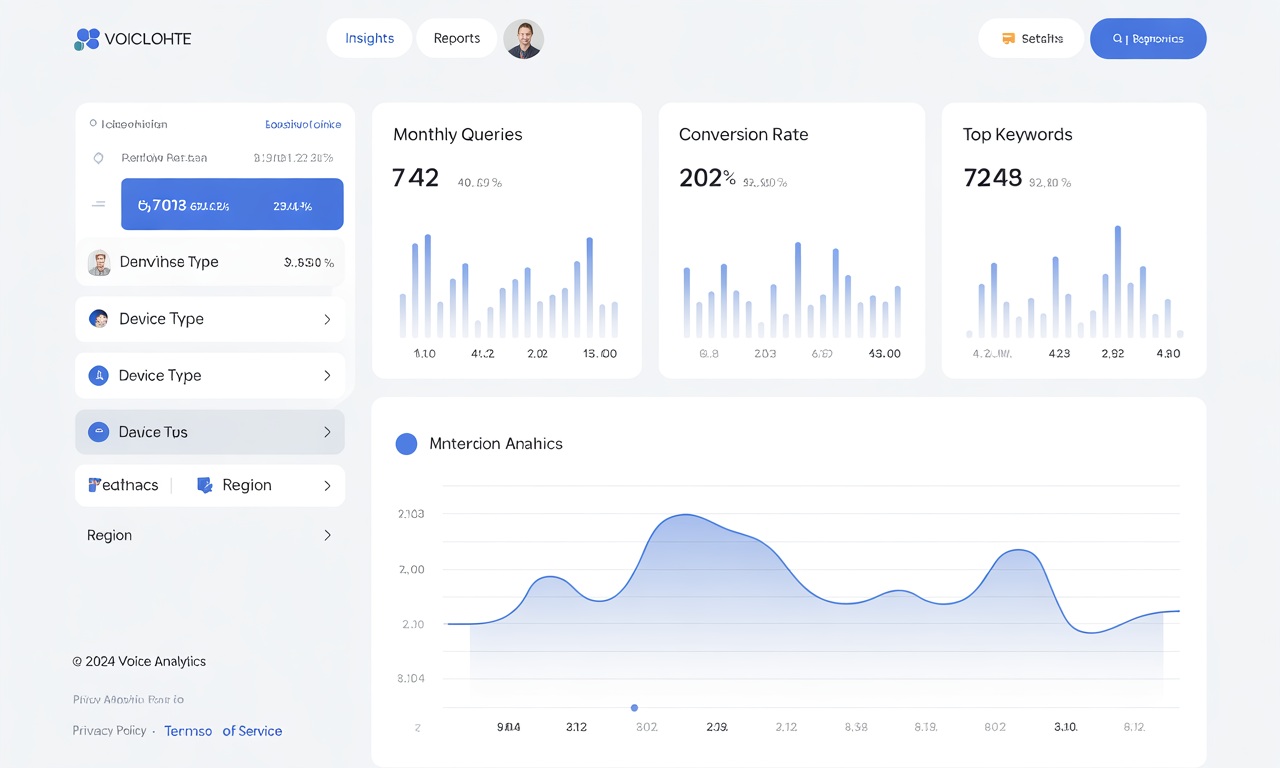
Voice search itself is hard to track directly, but watch for real signals: more "near me" impressions in your profile insights, longer keyword queries showing up in Search Console, and growth in mobile traffic from local searches. Use that to keep refining what you're doing.
The Point
Voice search isn't about chasing new tech, it's about meeting customers where they already are, talking to their phone, their car, their smart speaker. Get your Google Business Profile right, speak the way your customers actually talk, structure your content for real answers, and keep watching what's working. Start with one piece of this, or tackle it all this week, either way puts you ahead of most local competitors.
Want help figuring out where to start? Book a free discovery call.