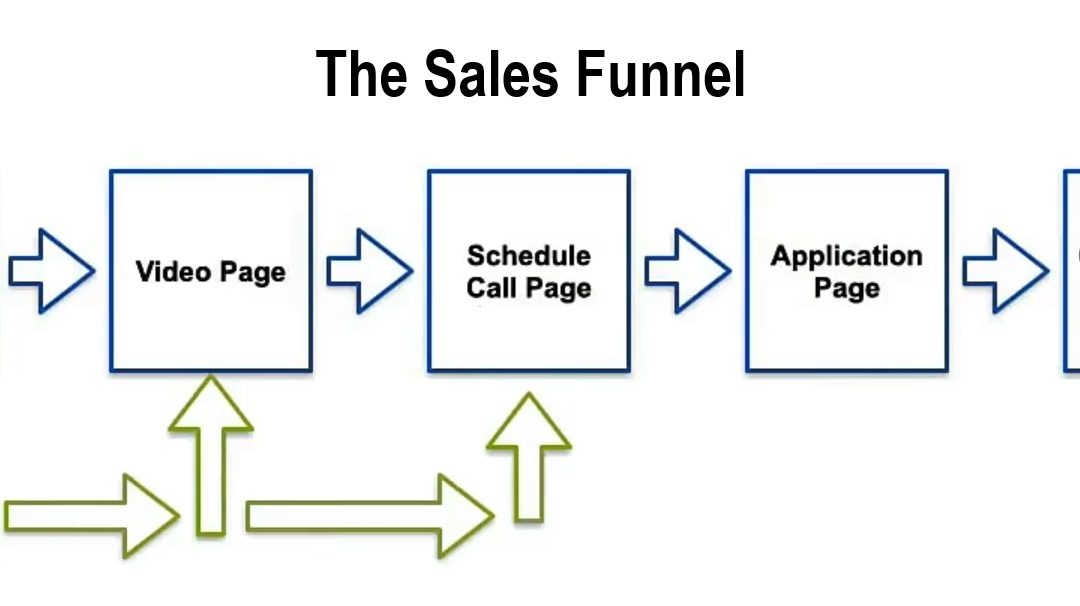
"Sales funnel" sounds like a marketing buzzword, but it's a simple idea: it's the path someone takes from never having heard of you to actually booking the job. If you're a plumber, electrician, roofer, or any local service business, you already have a funnel whether you've thought about it or not. The question is whether it's actually working, or leaking people out at every stage.
Stage 1: Someone Finds You
This is where most local businesses put all their effort, and it makes sense, you can't sell to someone who's never heard of you. This stage runs through your Google Business Profile, organic search, referrals, and social media. If this stage is weak, nothing downstream matters. But a lot of businesses stop here, thinking visibility is the whole job. It's not, it's just the first step.
Stage 2: They Decide If They Trust You
Someone finds you. Now they land on your website or your Google Business Profile, and they've got maybe five seconds to decide if you're worth a second look. This is where a vague homepage or a thin profile loses the job before it ever had a chance. They want to know clearly: what do you do, where do you work, and can they trust you to show up and do it right.
This is the stage a lot of local service websites quietly fail at. They look fine, but they don't say anything specific. "Quality service you can trust" tells a visitor nothing. "We fix water heaters, drain clogs, and burst pipes in Milford and Stratford, same-day when we can" tells them everything they need to know in one sentence.
Stage 3: They Decide You’re The Right Choice
By this point, they're not asking "does this business exist," they're asking "is this the one I call." Reviews matter here. So does clear pricing information, even just a range. So does proof, real photos of real work, not stock images. If your site or profile stalls out here with vague claims and no specifics, they'll open a new tab and check the next name on the list.
Stage 4: They Actually Contact You
This is the stage most businesses never test themselves. Pull up your own website on your phone right now. Is the phone number tappable? Does the contact form ask for more than a name, number, and what they need? Every extra field is a reason for someone to give up halfway through. The easier it is to reach you, the more of the people who made it this far actually convert into a real lead.
Where Funnels Actually Break
Almost never at stage 1. Usually it's stage 2 or 3, a website that gets traffic but doesn't say anything specific, or a Google Business Profile that doesn't match what the website says. When those two don't agree, Google gets confused and so do visitors. Fixing that mismatch usually does more than any amount of additional traffic would.
A Simple Way To Check Your Own Funnel
- Can someone find you? Check your Google Business Profile and your search visibility.
- Do they trust you in 5 seconds? Look at your homepage like a stranger would.
- Do they believe you're the right choice? Check for real reviews, real photos, and clear pricing info.
- Can they actually reach you? Test your own phone number and contact form on your own phone.
Most local service businesses don't need a bigger funnel. They need to fix the one leak that's costing them the most calls. Want a second set of eyes on where yours is leaking? Book a free discovery call.