
On-page SEO is just the stuff on your own website that tells Google, and your visitors, what you do and where you do it. Get it wrong and you're invisible for the exact searches that would've turned into calls. Get it right and you don't need any tricks, just clarity.
The Mistakes That Actually Cost You Calls
- Skipping local keywords, no location-specific terms anywhere, so local customers can't find you
- Misusing header tags, H1, H2, H3 used wrong or not at all, which confuses Google about what your page is even about
- Blank or unoptimized meta titles and descriptions, leaving free real estate in the search results unused
- Stock photos instead of real work, nothing that actually shows your team, your trucks, your finished jobs
- No proof of expertise, licenses, experience, and real results not shown anywhere
- Inconsistent NAP, your name, address, and phone number don't match everywhere you're listed
- No mobile optimization, the site doesn't work right on the device most of your visitors are actually using
Understanding Local Search Phrases
Local search phrases are searches with a location baked in, and they fall into three types:
- Service + location: "plumber in Milford" or "house cleaning Stratford CT"
- "Near me" searches: "electrician near me," "lawn care service near me"
- Geo-modified terms: zip codes, landmarks, or local names, "HVAC repair 06460"
These matter because they carry real intent. Someone searching "emergency plumber Milford CT" needs help now, not someday. They're also easier to rank for than the generic version of the same term, and they bring in people who can actually use your services, not just browsers.
How To Find Your Own Local Keywords
- List your services. Every one, plainly, the way a customer would describe the problem.
- Add location modifiers: your town, your county, nearby neighborhoods, even the zip code.
- Use a free research tool to check real search volume: Google Keyword Planner, Ubersuggest, or AnswerThePublic for the questions people are actually asking.
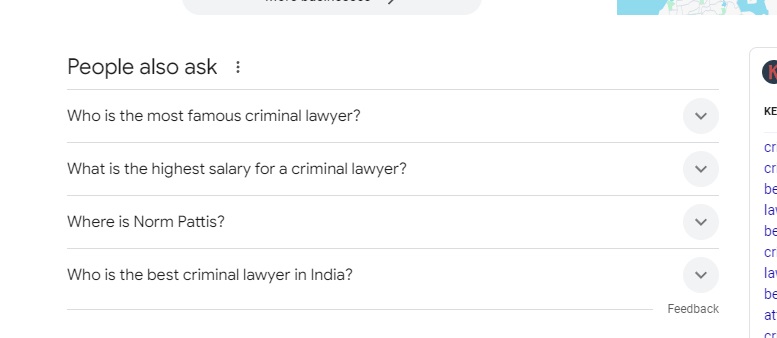
- Check Google's "People Also Ask" and "Related Searches" on your own money keywords for more real phrasing.
Putting Local Terms Into Your Content Naturally
Start with your homepage. Your primary service and location should be obvious in the first sentence, not buried. If you're a plumber in Milford, your H1 could simply read "Trusted Plumbing Services In Milford, CT."
Build a dedicated page for each main service, especially if you cover more than one town. "Emergency Plumbing in Milford" and "Drain Cleaning in Stratford" as separate pages, each with a clean URL, beats one page trying to cover everything.
Your blog is another natural place for local terms, write about a real seasonal issue in your area, a common problem you see often, or a project you just finished nearby. Your About page should mention how long you've served the community and any real local recognition. A dedicated Service Areas page listing every town you cover, with a real sentence about each, helps too.
Sprinkle keywords in naturally, don't force them where they don't fit. And don't forget alt text on your images, that's another honest place to mention your service and location. Keep your name, address, and phone number consistent in the footer on every page.
Getting Your Header Tags Right
Header tags are the outline of your page, H1, H2, H3, they tell Google (and your visitors) how your content is organized. They also affect whether Google pulls your page into a featured snippet, and they make your content easier to skim, which matters since most people scan before they decide to read.
How To Use Your H1 Correctly
One H1 per page, always. It should clearly state your main service and location, "Expert Plumbing Services in Milford, CT" for example, written naturally, not keyword-stuffed. Aim for 20-70 characters so it displays fully in search results, and try to keep it close to your actual page title. Every location or service page should get its own unique H1, not a copy-pasted version with the town swapped out.
Want a second opinion on how your own pages are structured? Book a free discovery call.